







Years ago, when I was working with a group of freelancers to form a union of talented individuals to generate business, we talked about what makes a successful freelancer. The idea was that if we were going to mentor young entrepreneurs we would have to know how we came to be successful ourselves. I did some research at the time about how (and why) people become graphic designers and came across an article in the Princeton Review that said the following:
Graphic designers create the visual presentation and design of goods, from gravestone markers to detergent boxes, from album covers to dog food cans. Work is usually done on a project basis. Designers must be able to work under extreme time pressures and very defined financial and design limits to produce quality material. A graphic designer must be able to synthesize input from a number of different sources into a distinctive image, using research prepared by a marketing department and cost specifications determined by a budgeting department, and produce a variety of sketches and models which demonstrate different approaches to the product … When projects are underway, graphic designers can expect to work long hours brainstorming and meeting with executives to discuss ideas. The job is highly visible; successes and failures alike are recognized and are put on display. Those who are insecure about their skills or their ideas have a hard time accepting the amount of risk and rejection this career entails.
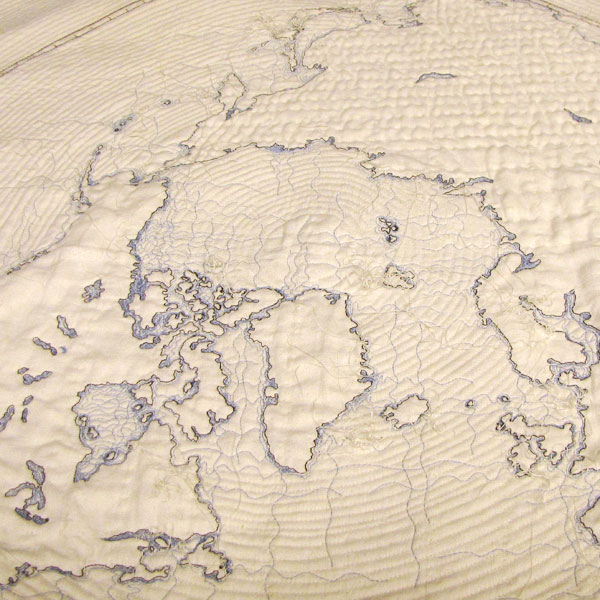
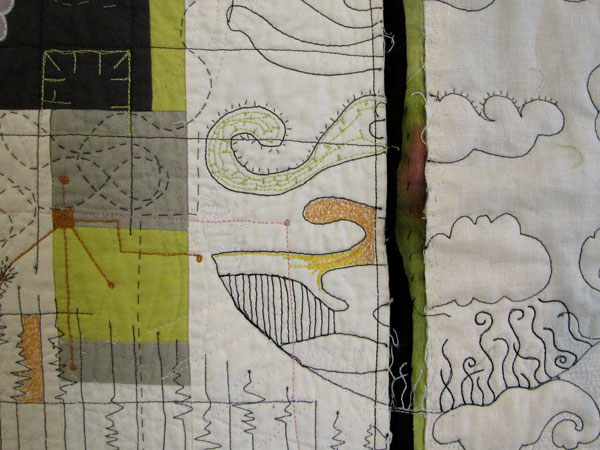
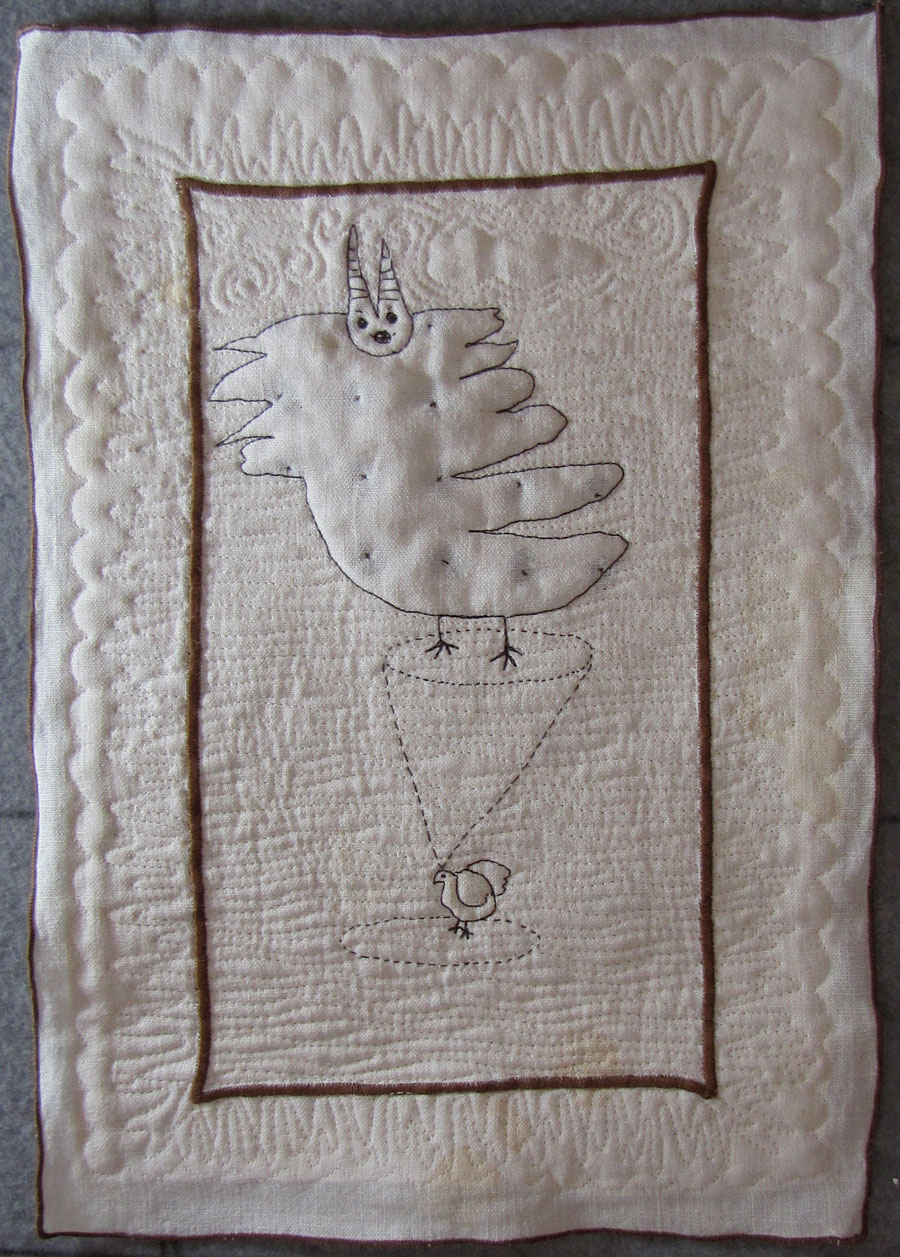
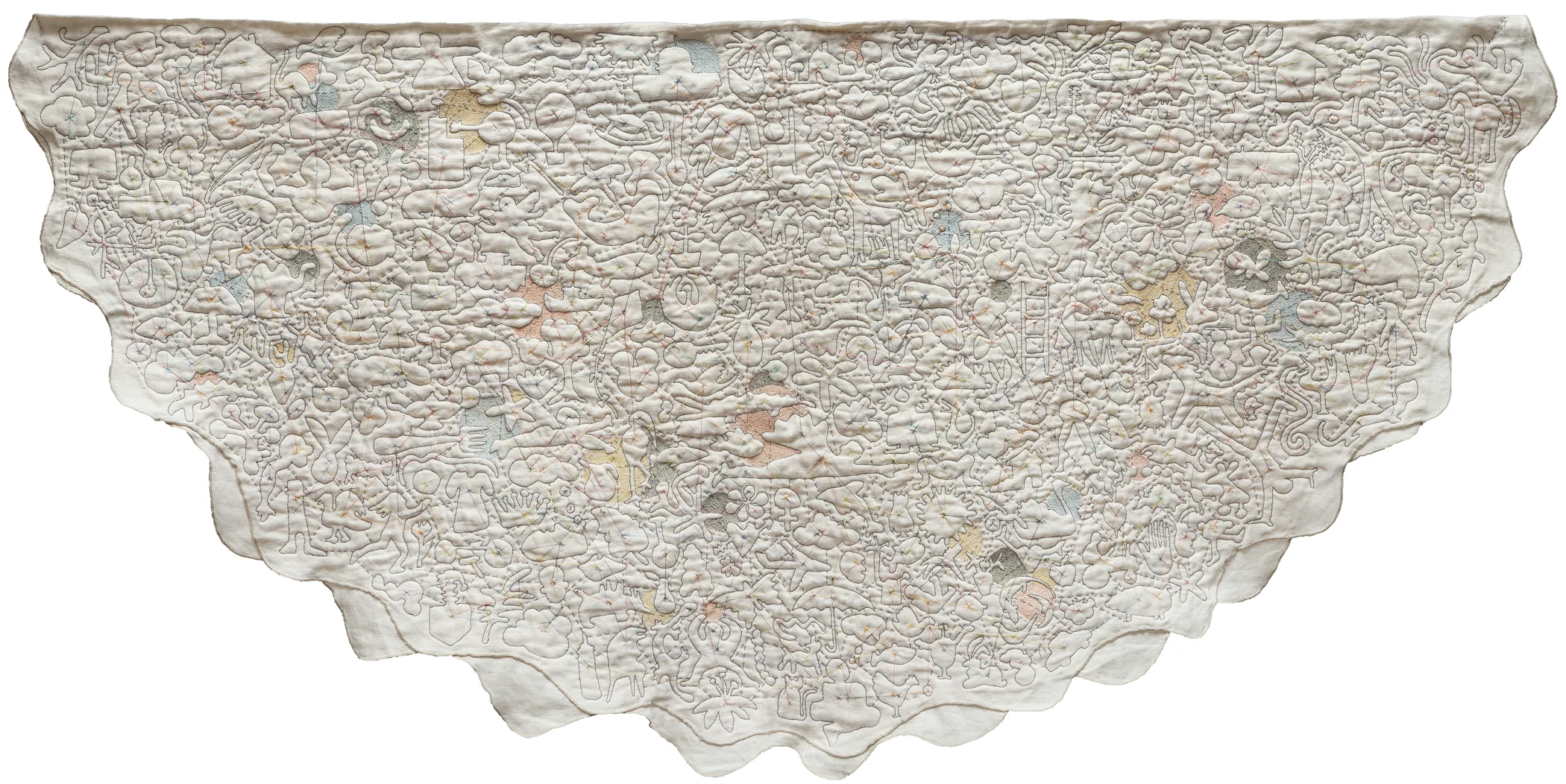
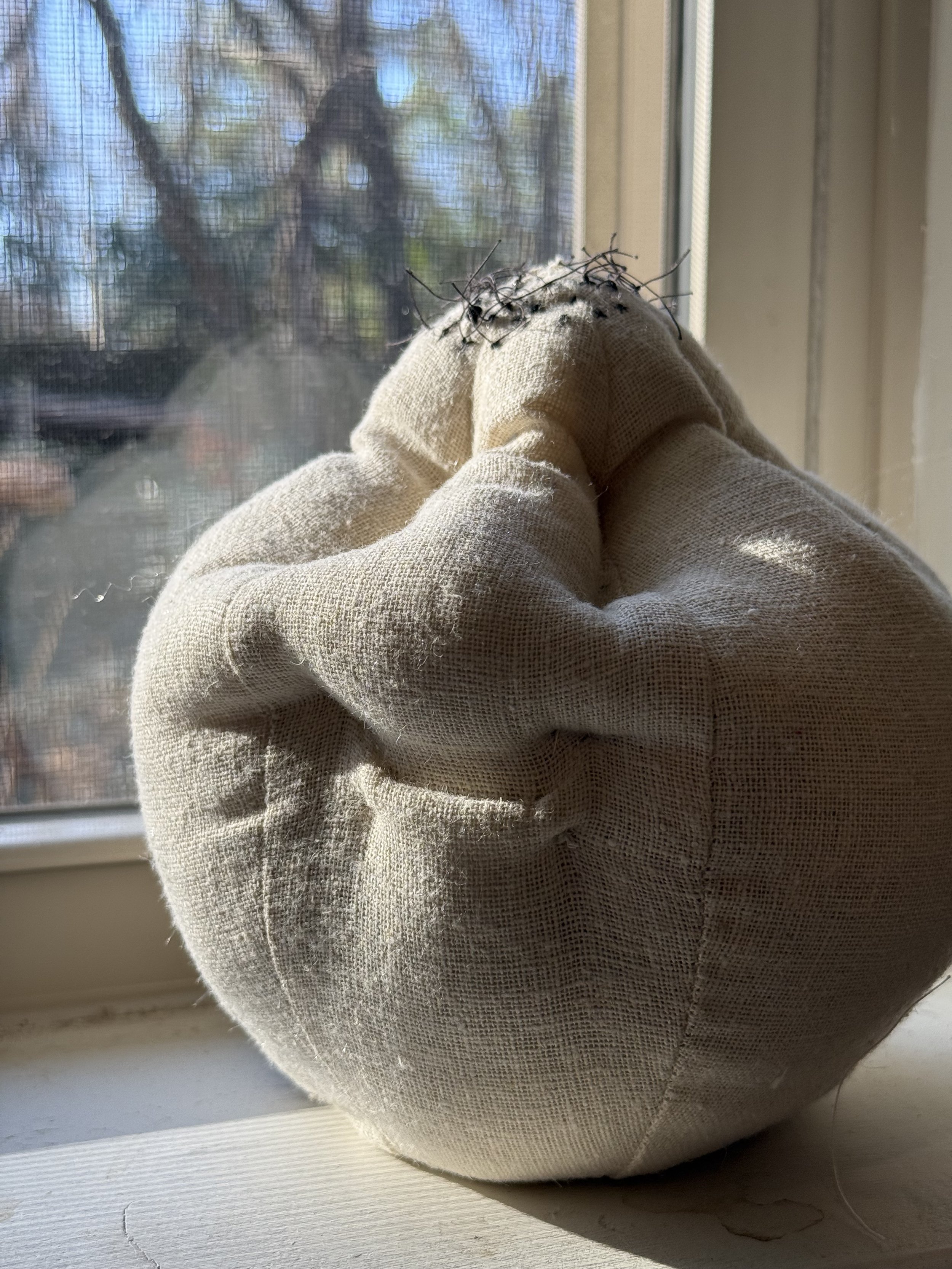
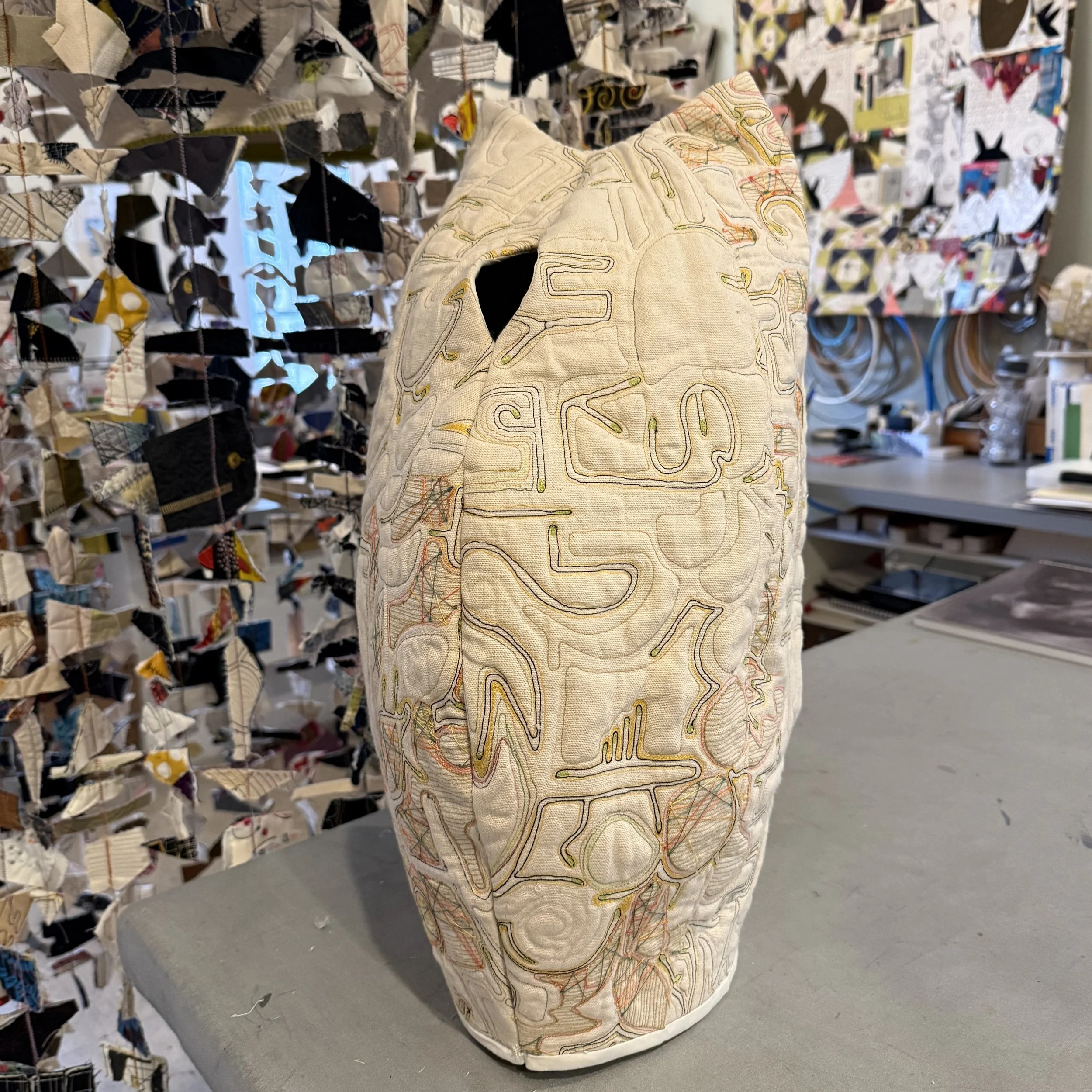
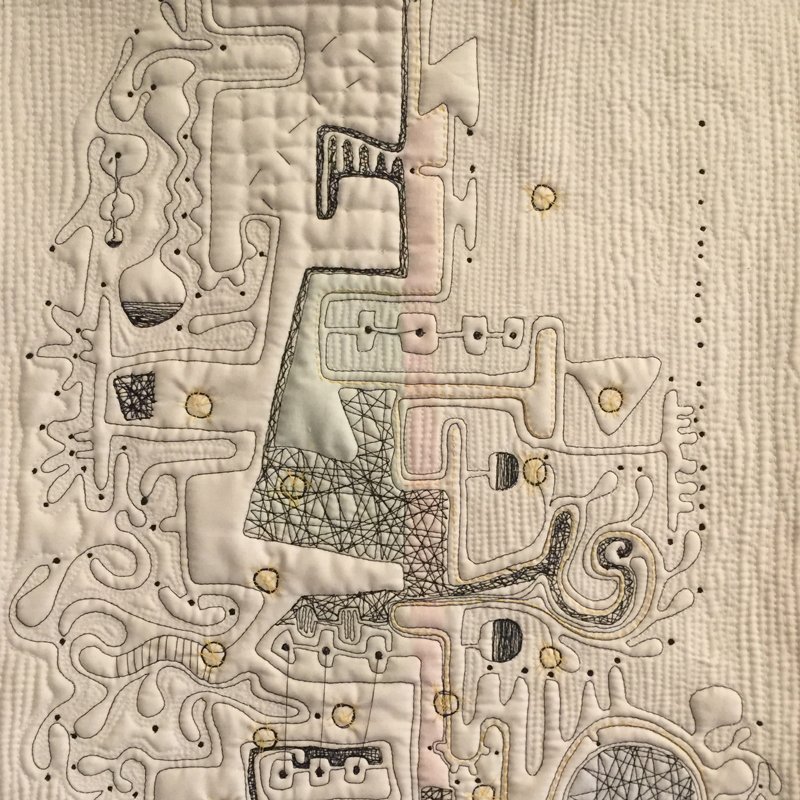
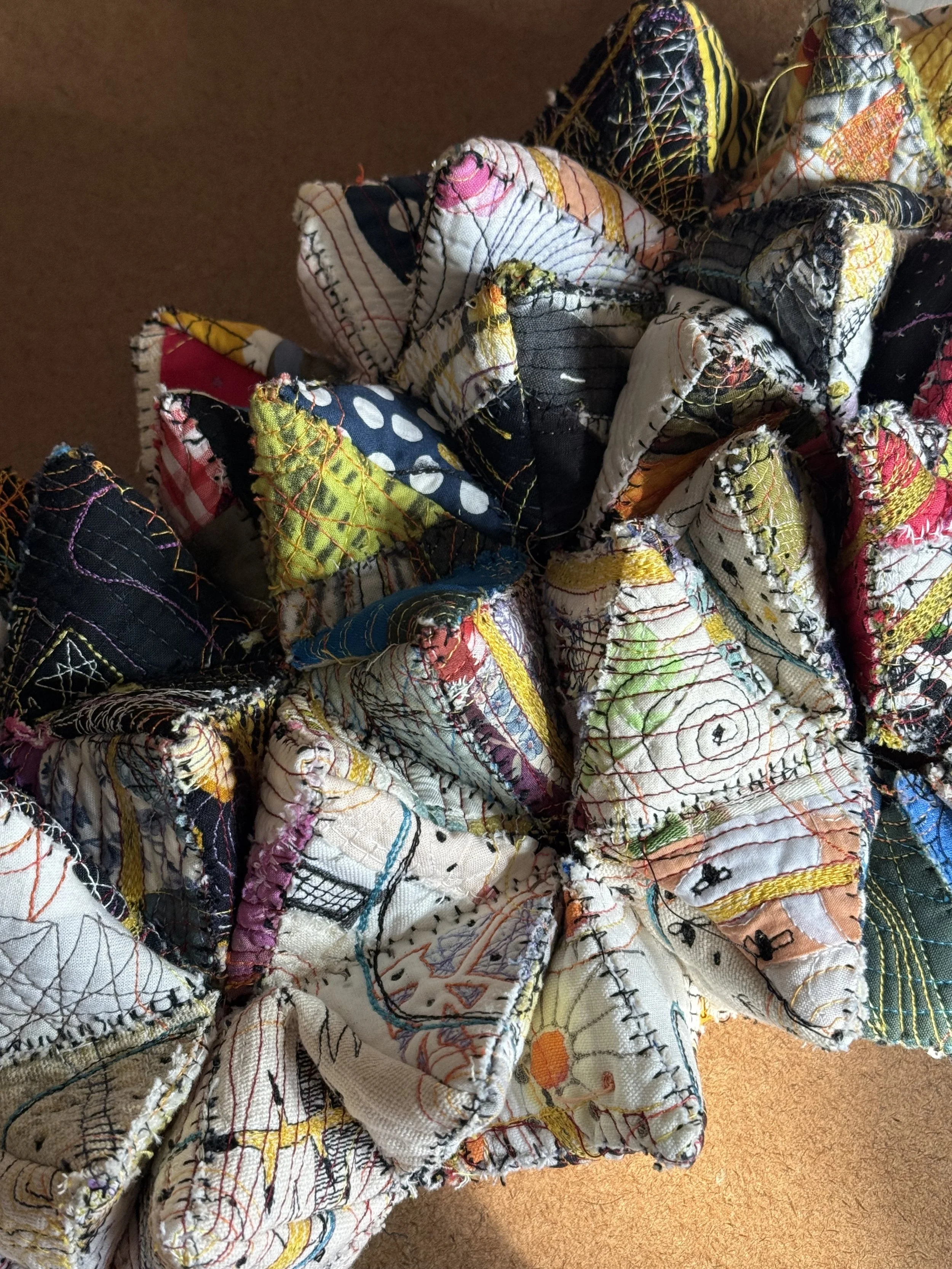
When I found that little snippet in a notebook recently it occurred to me that my life since retiring as a graphic designer hasn't changed radically. If fact, if I substitute the words art quilter for graphic designer the definition still stands (with some slight modifications).
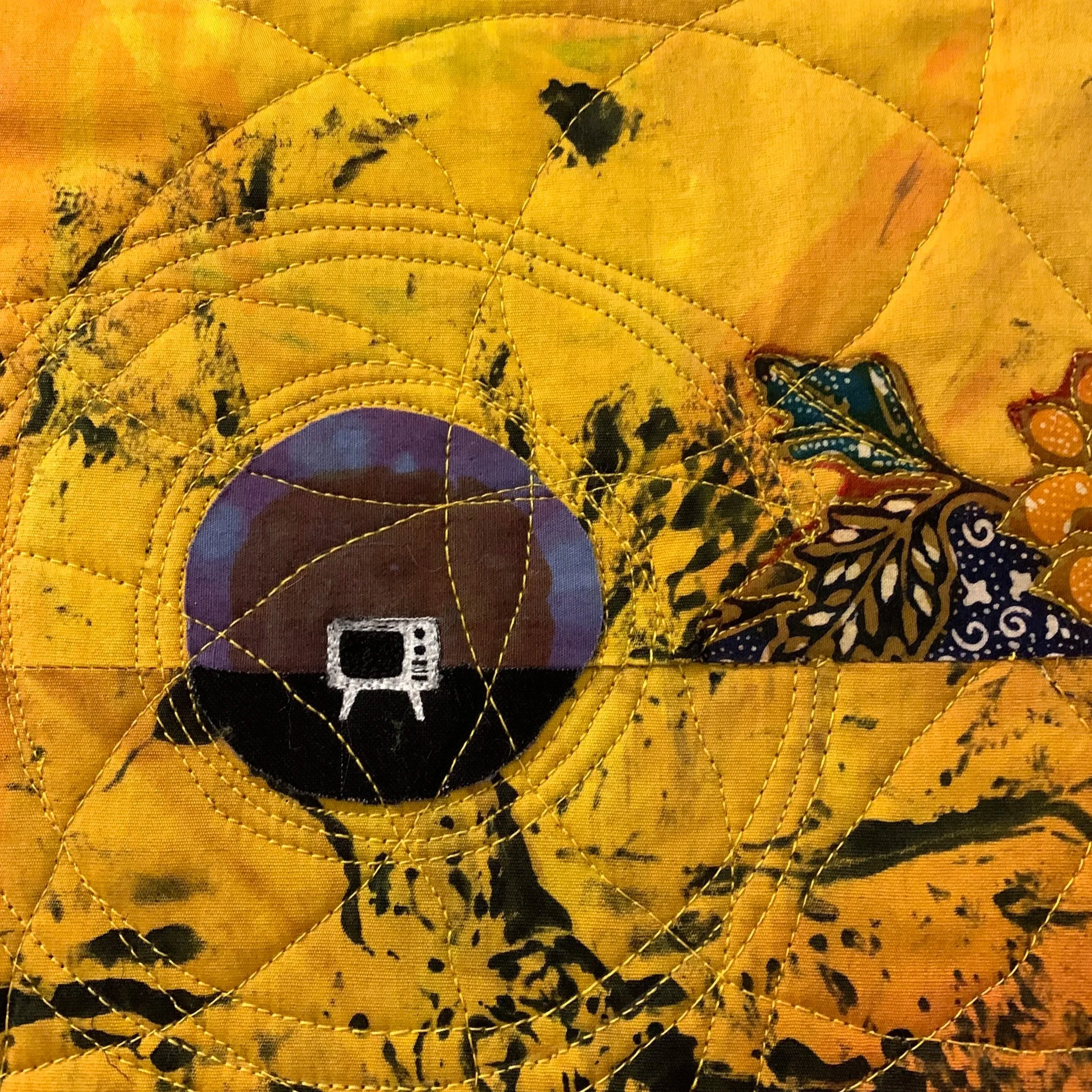
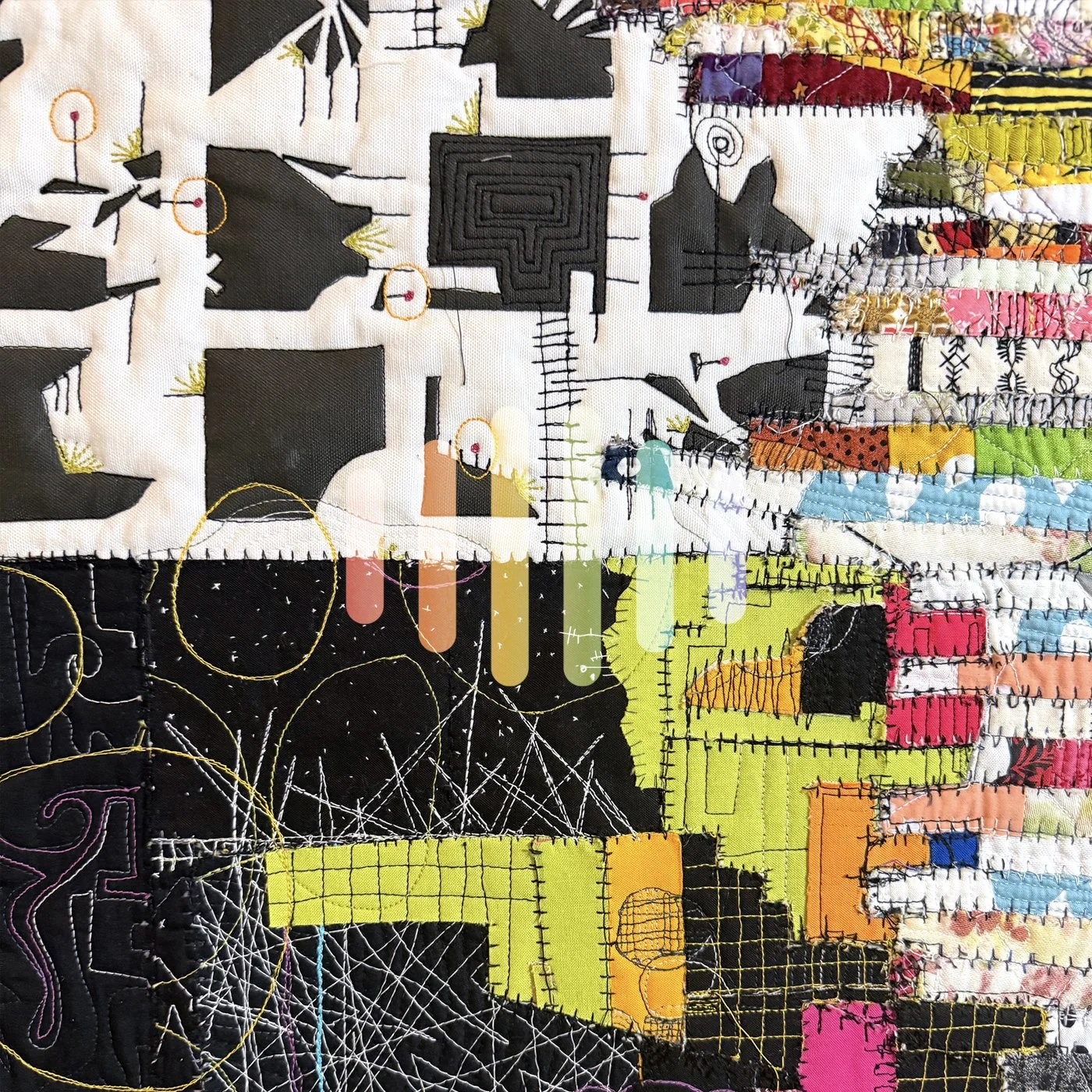
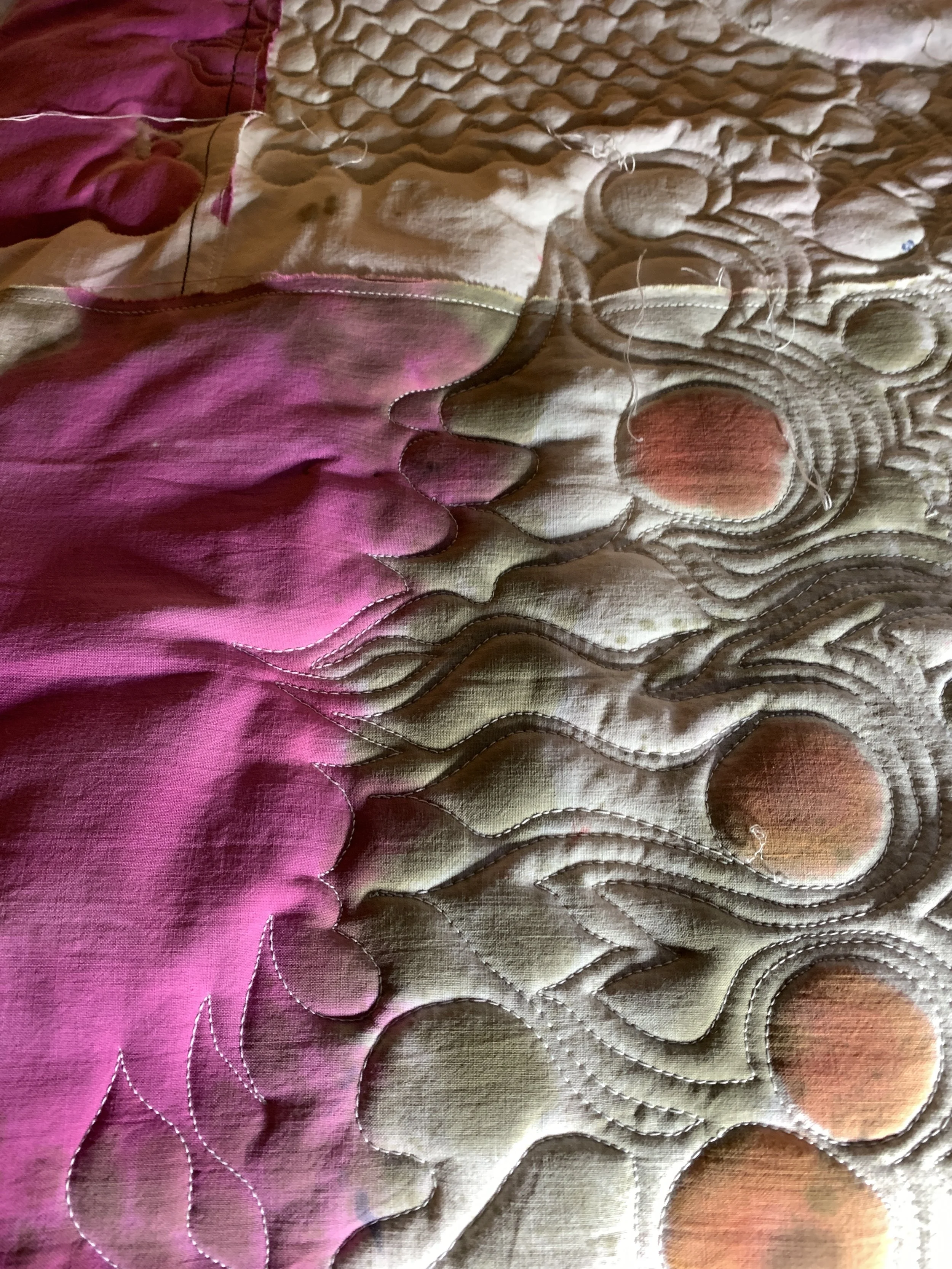
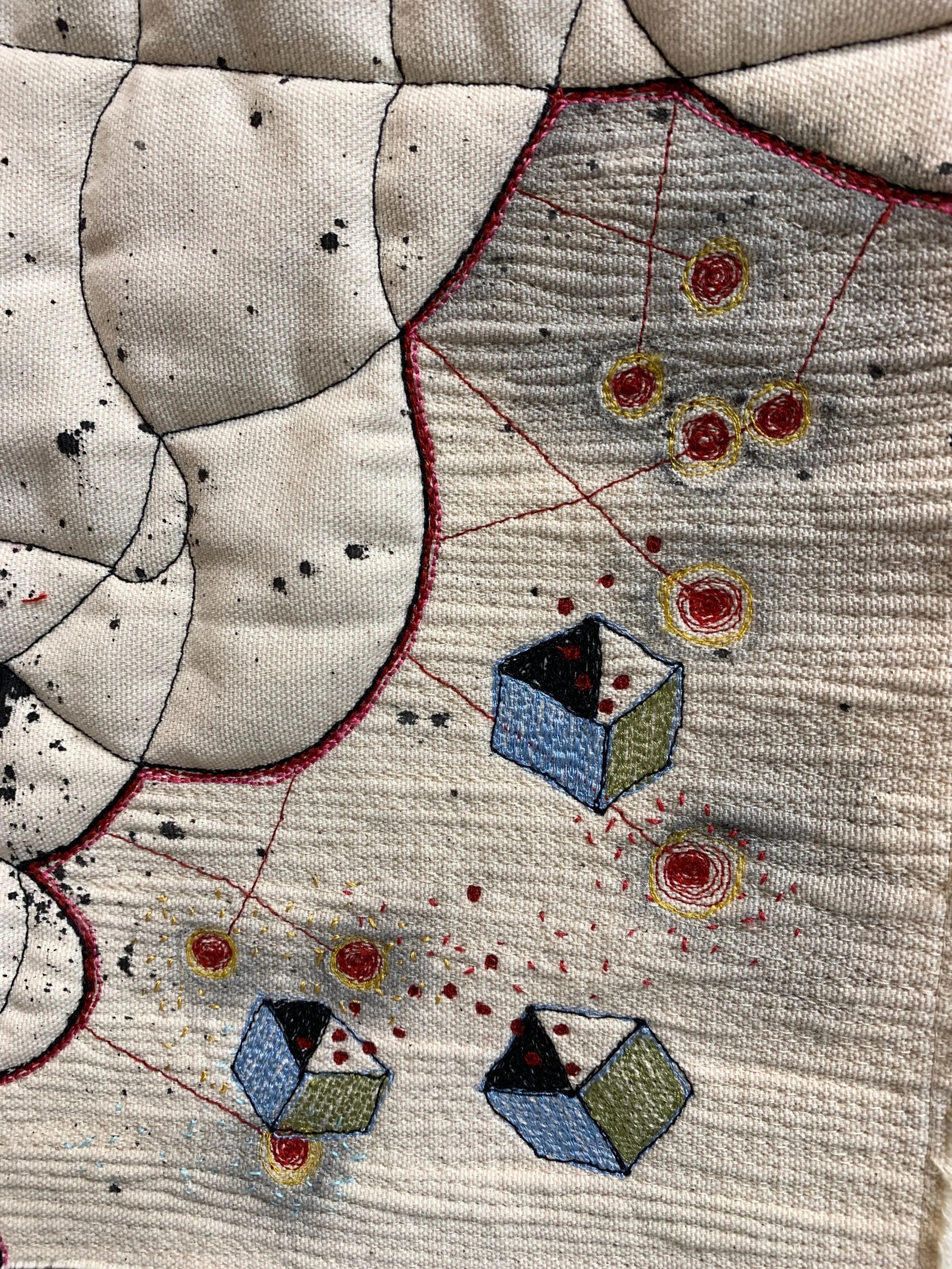
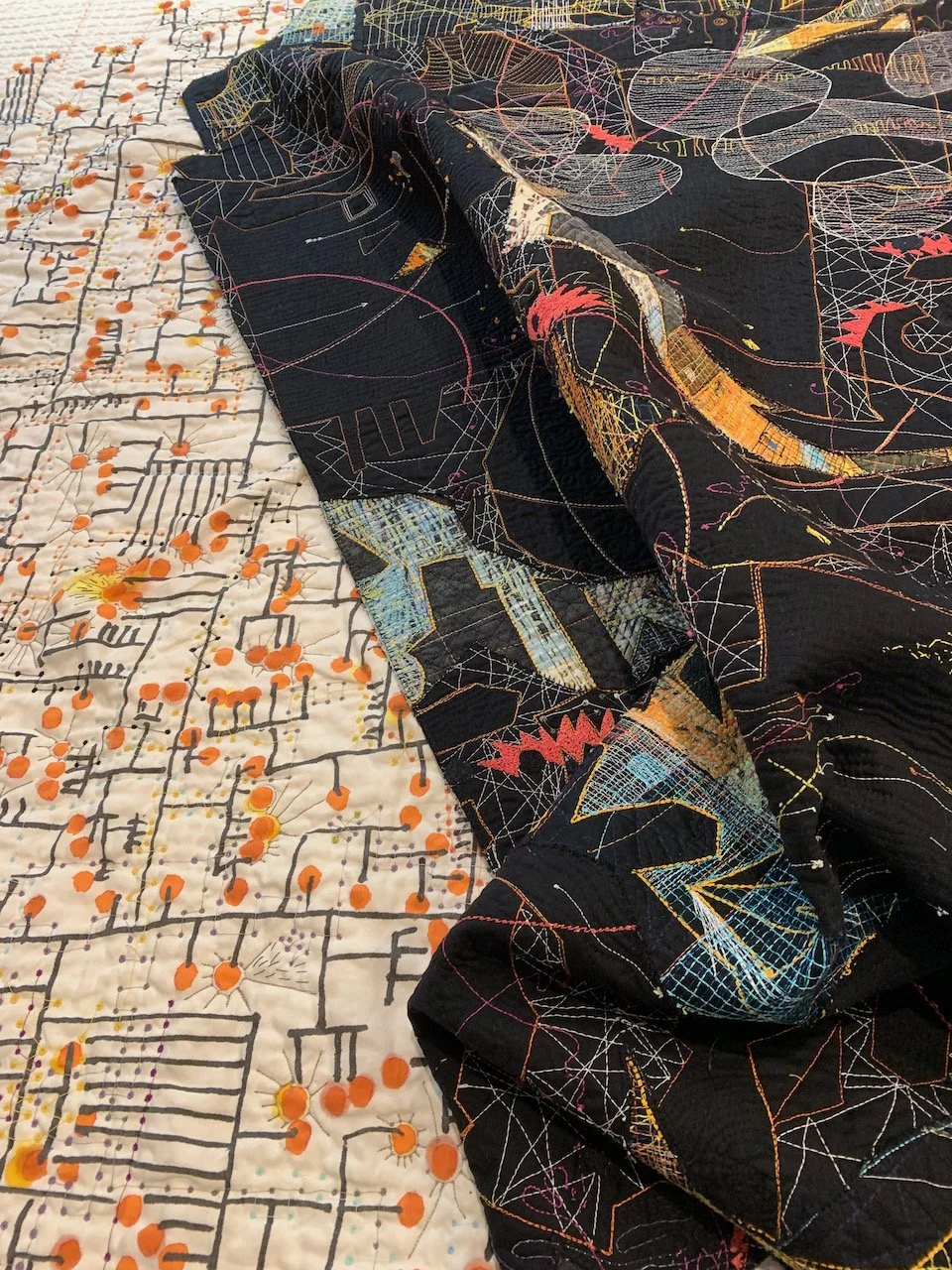
Art quilters create the visual presentation and design of ideas. Work is usually done on a project basis. Art quilters must be able to work under extreme time pressures and very defined financial and design limits to produce quality material. An art quilter must be able to synthesize input from a number of different sources into a distinctive image and produce a variety of sketches and models which demonstrate different approaches to the piece. When projects are underway, art quilters can expect to work long hours brainstorming. The work is highly visible; successes and failures alike are recognized and are put on display. Those who are insecure about their skills or their ideas have a hard time accepting the amount of risk and rejection this career entails.